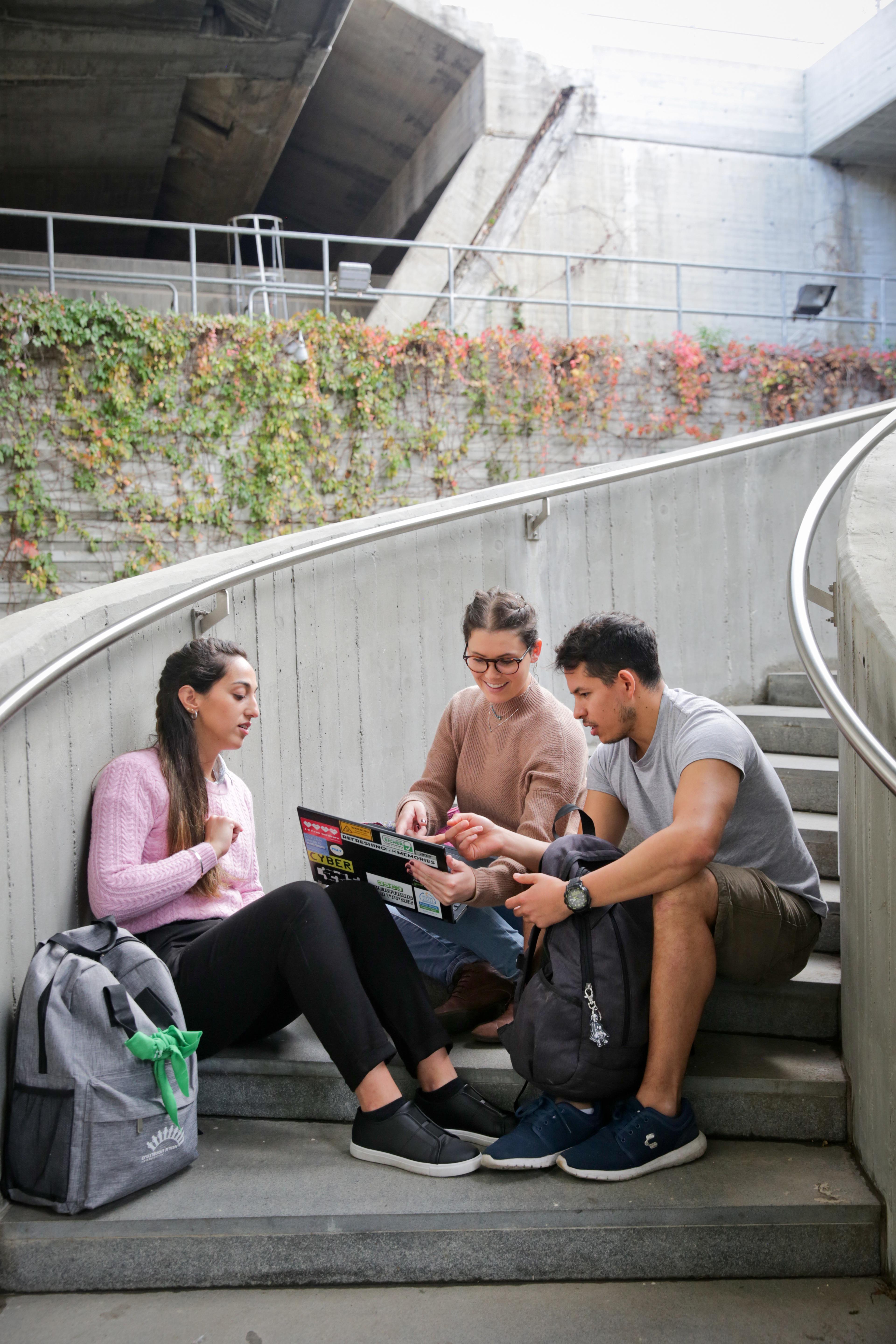
The field of digital humanities (DH) is a field that exists at the "intersection of computing or digital technologies and the disciplines in the humanities" (Wikipedia). While that definition is concise, it doesn't really cover the enormity of the DH field. And because that field is continously growing, the definition of DH is constantly changing. We can help you navigate the world of DH and help you decide on the best tools for your project.
How can we represent information through maps? How can maps represent geographic and social changes? Come think about maps and learn how to use geographic and spatial tools.
Data management plans and data sharing plans detail how data will be collected processed, analyzed, described, preserved, and shared throughout the project's lifecycle (i.e., from inception to archival). DMPTool is a good place to start as it has templates that help you meet the requirements of the funder.
Data visualization is the representation of data through the use of common graphics, such as charts, plots, infographics, and even animations. The core idea is to communicate complex data relationships and data-driven insights in a way that is easy to understand. In the era of Big Data, data visualization is a very important tool to help people understand the world around them.
Data cleaning is the process of identifying any incorrect, incomplete, inaccurate, irrelevant, or missing parts fo the data and then modifying, replacing, or deleting them according to the necessity. This process is crucial given the advent of generative artificial intelligence (AI). A basic five-step process for cleaning data can be found at Tableau. A more complicated example can be seen at UC Santa Barbara.
We can help you with all aspects of your project and offer advice at each stage, from ideation to design to implementation. Meeting one-on-one or in small groups, we will listen to your ideas, interests, and goals and suggest digital methods to investigate your research questions. Depending on your project, we can continue to consult on an as-needed basis or take a larger role and collaborate with you on your plans and ideas.
With larger, multi-year projects, DSH will collaborate to help manage all aspects of your project, from inception to launch, publication, or incorporation into the classroom.
To get started please email William Kelly (wkelly [at] guilford.edu).
We're here to help students, faculty, and staff understand and use digital tools in the classroom and in other sccholarly projects. We can help you introduce digital methods and tools to your classes and/or design class-based digital projects. We support courses across the curriculum, though there is an emphasis on digital humanities (DH).
As we continue to build out our offerings, please take a look at other resources. We have put together a list of DH tools and a list of resources for teaching digital scholarship. In the near future, we will begin offering workshops in Hege Academic Commons that focus on particular aspects of DH. If you'd like to suggest a topic, please email us at learningtechnologies [at] guilford.edu with the subject line "DH workshop suggestion".
In addition to classes, we have worked with students, faculty, and staff to create short- or long-term digital publications. We stress collabortion and creativity in the development and implementation of these projects. We welcome all skill levels and will help you learn and understand which work best for your project and your goals.